Fear doesn’t live here, we ensure children are seen and heard
Children experiencing domestic and family violence (DFV) need more than short-term support. They need people who recognise the signs that DFV is happening. People who know how to talk to them in a safe way. People who can help families find stability, security and belonging in their homes.
Tap each card below to see how Barnardos helps turn fear into safety.
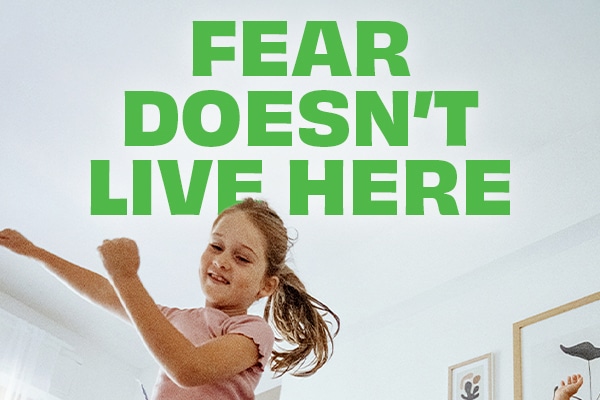
Fear doesn’t live here,
we ensure children are seen and heard
Children experiencing domestic and family violence need more than short-term support. They need people who recognise the signs that DFV is happening. People who know how to talk to them in a safe way. People who can help families find stability, security and belonging in their homes.
Tap each card below to see how Barnardos helps turn fear into safety.
Domestic violence thrives in silence. We ensure children are seen and heard
2 in 5 children have experienced domestic and family violence.*
Many children don’t know who to talk to about what is happening at home and worry that they won’t be believed.
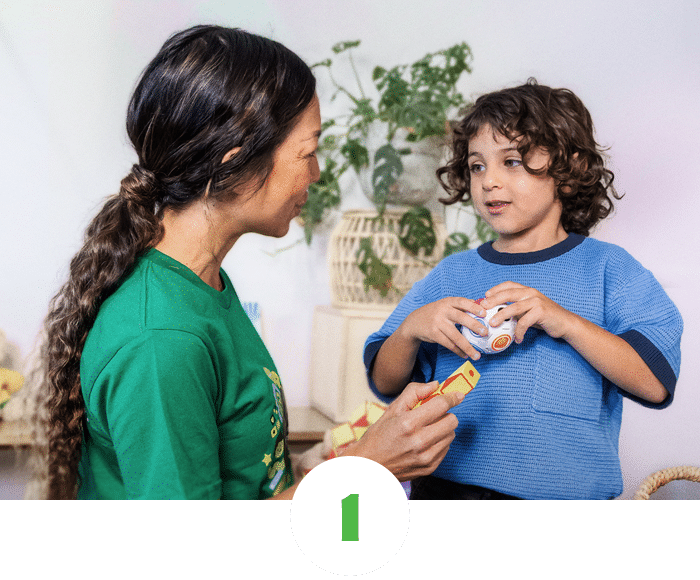
Barnardos specialists know how to talk to children safely, helping them feel heard, supported and connected to the right help.
A safe conversation can be the doorway to a safe future.
We see the signs of
domestic violence and help families
find safety
3 in 5 young children seeking homelessness support have experienced domestic violence.^
Domestic violence often leads to unsafe and unstable living situations for families.
Barnardos recognises the signs early and provide safety planning, service support and practical help, to help families navigate this difficult issue.
We provide support to
families and children so
domestic violence
doesn’t shape their future
44% of children first experience violence before the age of four.**
Domestic violence undermines children’s confidence, without the right support, it can shape their future.
We walk alongside children and families for as long as is needed. We support them with safety planning, housing applications, school needs and other day to day supplies.
Having an expert to guide you through one of the most difficult times makes all the difference.
Could you tell if a child is experiencing
domestic and family violence?
Many signs are subtle and often misunderstood. Take this quick quiz to test your knowledge and learn how to support children who may be experiencing DFV.
Could you tell if a child is experiencing domestic and family violence?
Many signs are subtle and often misunderstood. Take this quick quiz to test your knowledge and learn how to support children who may be experiencing DFV.
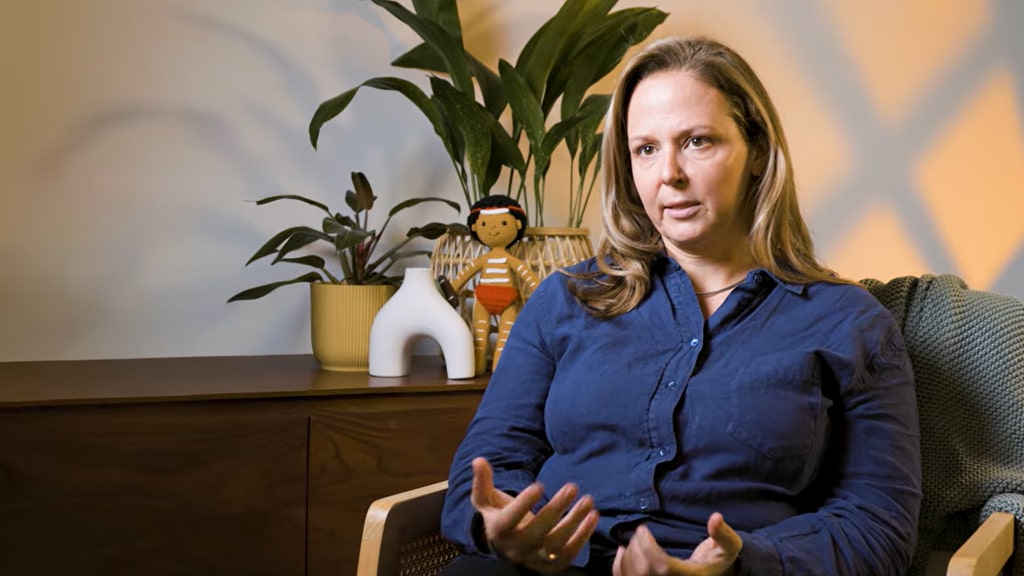
“We try to make all of our interactions with children be as meaningful as possible. We help them find their voice because some children don’t get asked about their experiences and they become invisible.”
– Jo Caseworker
*Australian Child Maltreatment Study 2023. ^Family, domestic and sexual violence, Australian Institute of Health and Welfare 2024-25. **Barnardos Australia Research Report 2022.
Download your free guide
Download your free guide
Download practical tips with this free resource so you’ll know how to respond to a child experiencing DFV.
Q1: If a child doesn't see or hear the violence in their home, it doesn't affect them.
True
Incorrect Children who live with domestic and family violence are victim-survivors in their own right. DFV causes life-long damage to children even if they are not physically harmed.
False
Correct DFV causes life-long damage to children even if they are not physically harmed.
Q2: Which of the following could be a sign a child is experiencing domestic and family violence?
Becoming withdrawn or anxious
This is just one sign. It is ‘all of the above’.
Frequent school absences
This is just one sign. It is ‘all of the above’.
Sudden behavioural changes
This is just one sign. It is ‘all of the above’.
All of the above
Correct Children experiencing violence at home may show emotional, behavioural and social changes. Recognising these early signs can help them access support sooner. Small changes in behaviour can be important signals.
Q3: Domestic and family violence is only physical abuse.
True
Incorrect Violence is not always visible.
False
Correct Domestic and family violence can include emotional abuse, coercive control, financial control, threats and isolation, not just physical harm. Violence is not always visible.
Q5: Many children experiencing domestic and family violence know they can get help.
True
Incorrect Children often don’t know who to talk to or realise that help is available.
False
Correct Many children live in fear and silence for long periods before speaking to someone they trust. They often don’t know who to talk to or realise that help is available.
Understanding domestic and family violence is the first step in protecting children and connecting them with support.
Ready to learn more? Scroll down to the bottom of our page to download your free guide with practical tips to help you respond to a child experiencing DFV.
Take on a Challenge for Barnardos
Register your interest below and we’ll be in touch.
WHAT WE SEE
We see beyond the sleepover in cars and understand the underlying issues.
After escaping family violence, a parent and their child have nowhere safe to stay and are currently waiting for refuge accommodation.
We see beyond the sleepover in cars and understand the underlying issues.
After escaping family violence, a parent and their child have nowhere safe to stay and are currently waiting for refuge accommodation.
HOW BARNARDOS HELPS
We understand that families and children who have experienced domestic and family violence need more than just a safe place to stay. At Barnardos, we work closely with children to identify their unique needs and provide tailored support for each family member.
Support with transitional accommodation
Providing safety planning
so that families can leave violence for good
Access to counselling services
Children who have survived domestic and family violence often experience long-term impacts into adulthood. Our caseworkers recognise the importance of specialist support to help them recover and thrive.
HOW BARNARDOS HELPS
We understand that families and children who have experienced domestic and family violence need more than just a safe place to stay. At Barnardos, we work closely with children to identify their unique needs and provide tailored support for each family member.
Support with transitional accommodation ♡ Providing safety planning so that families can leave violence for good ♡ Access to counselling services
Children who have survived domestic and family violence often experience long-term impacts into adulthood. Our caseworkers recognise the importance of specialist support to help them recover and thrive.
You can help too! A simple gift todaycan support a child who has experienced domestic and family violence to recover and heal.

 Our centres